
WhatsApp: 85244579401
E-mail: ll6855204@gmail.com

Your Current Position: News
-
 He also looks at insulin. Chronically high insulin tells the body to store, not burn. Even if calories are low. "Then there's the muscle factor," Ma adds. "More muscle, higher resting burn. If someone's lost muscle over the years, their engine is smaller."
 -
 "They lose weight at first," she told us. "Then it stops. They blame themselves. But it's not willpower. It's biology." She's talking about metabolic adaptation—the body's tendency to fight back when you cut calories. Burn less. Hold on tighter.
 -
 We had a customer last year who couldn't figure out why results were inconsistent. Same peptide, same dosage, same protocol. But something was off. Turns out the shipment had sat on a loading dock for six hours in July heat before delivery. By the time it reached the lab, the degradation had already started.
 -
 COA—certificate of analysis. It's a piece of paper showing exactly what's in the vial. Impurities, water content, actual peptide weight. The stuff that used to be fine print is now front and center. A buyer in Europe explained it to us: "I got burned once with bad material. Wasted three months. Now I check everything."
 -
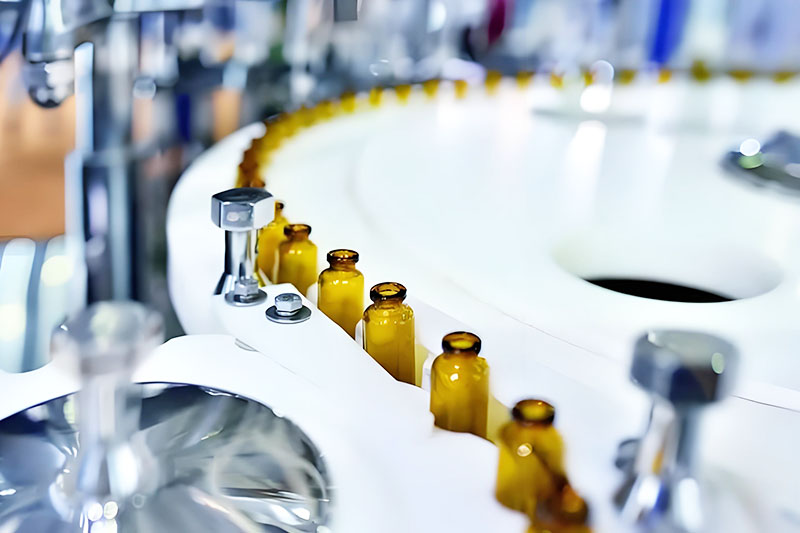 Lately though, we've been hearing from lab partners who are scaling back. Not in effort, but in length. They're looking at shorter chains—tripeptides, tetrapeptides—and finding they're easier to work with.
 -
 The findings? Pretty straightforward. The peptide appeared to influence how these cells store and release energy. Not in a dramatic, overnight way. More like a gentle nudge in a different direction.

| 
|
ABOUT US Mia Biology started with a simple idea: people working on metabolic health—whether in labs or clinics—should have access to peptides they can trust.We're based in Asia, but our reach is global. Over the past few years, we've built .... | PRODUCTS Survodutide丨Thymosin-Alpha-1丨VIP TB500丨SS-31丨SLU-PP-332丨Thymalin Snap-8丨Semax 丨Sema丨Tirz丨Tesam PNC-27丨Pinealon丨MT-2丨MOTS AOD9604丨BOTOX丨BPC157丨MT-2丨MT-2 | CONTACTS US ● Phone: 85244579401 ● WhatsApp: 85244579401 ● Email: ll6855204@gmail.com ● Website: www.mia-peptide.com ● Business Hours: 9:00 AM - 6:00 PM (GMT+8) |
Copyright © Mia Biology All rights reserved 丨sitemap丨About us丨Products丨News丨Certifications丨Contact us